
説明
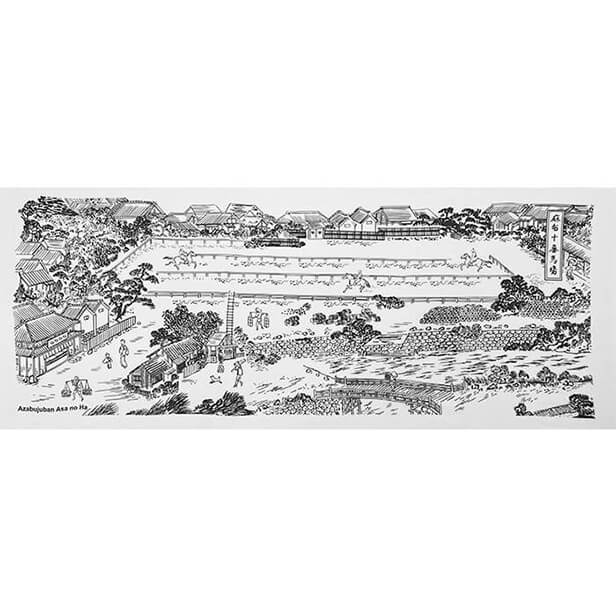
2026年干支手ぬぐい「麻布十番馬場」 捺染
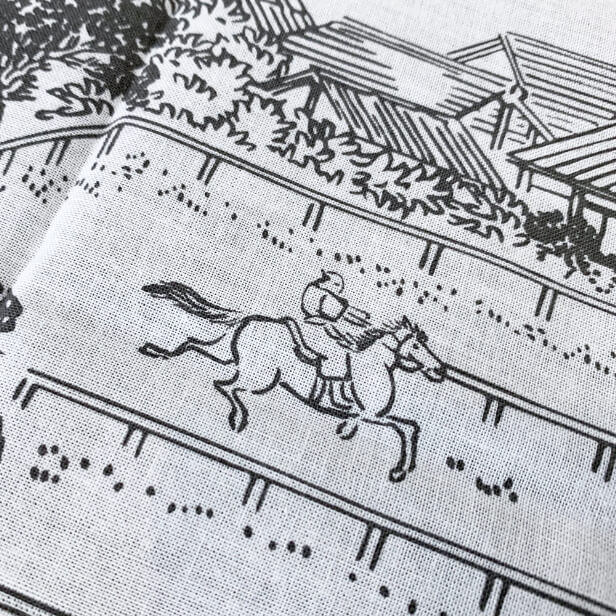
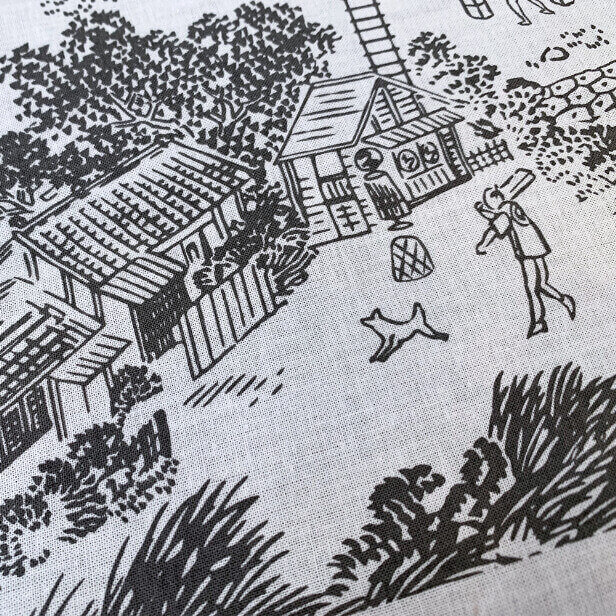
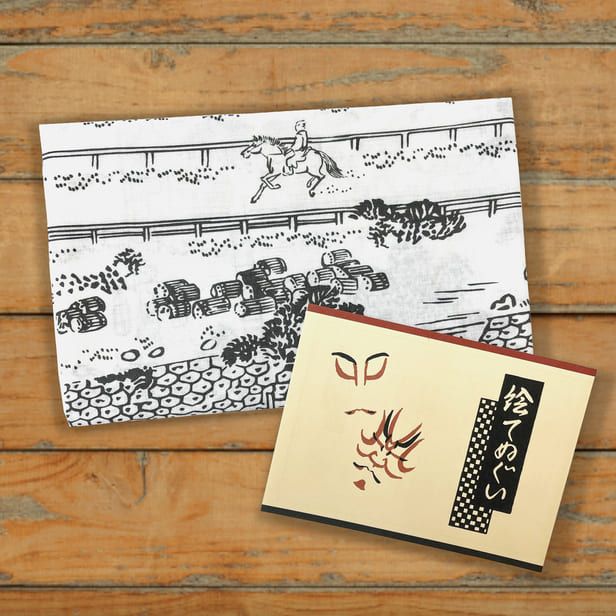
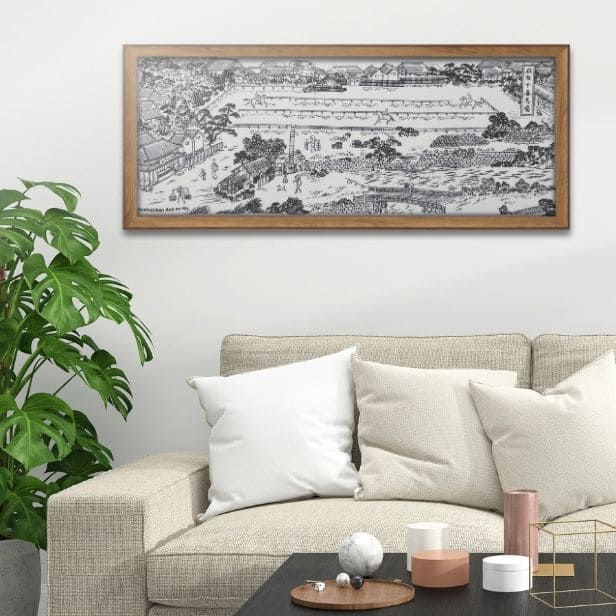
2026年の午歳(うまどし)をお祝いする干支手ぬぐいです。江戸から明治にかけて活躍した日本画家・田中有美が描いた木版画「麻布十番馬場」をもとに、当時の町並みと馬と人々の暮らしを絵てぬぐいに染め上げました。
「馬」は古くから神聖な動物として親しまれ、十二支の「午」は活力や成長、前進を象徴する縁起の良い干支とされています。江戸時代には馬が輸送や農耕、通行、儀礼など多岐にわたる役割を担い、人々は馬とともに日々を営み、文化を育んできました。
歴史と文化が交差する麻布十番の風景と、江戸の人々と馬との暮らし。縁起物の干支柄に込められた意味とともに、お正月飾りや年賀の贈り物に。午年生まれの方へのお誕生日祝い、歴史や街歩きが好きな方へのギフト、外国の方への日本文化紹介にもおすすめです。
田中有美
天保十年山城国(現在の京都府)生まれ。明治から昭和初期にかけて活躍した日本画家。明治17年明治天皇と三条実美の勧めで東京に移住し、宮廷画家として皇室に関わる作品を数多く残しました。
十番馬場の歴史 語り:郷土史家 岩田隆之
現在の麻布通り新一の橋交差点付近(港区麻布十番1丁目~東麻布3丁目辺)には、江戸時代「馬場」がありました。この馬場は芝新馬場(薩摩藩見た屋敷北隣り)から移転してきたもので、当時その周辺の里俗の名称から「十番馬場」と名付けられました。
十番馬場では年に3回「市」がたち、仙台駒が取引されたそうです。そしてこの馬場では乗馬用の「袴」が考案され、やがてその袴は「十番袴」と呼ばれる現在の男袴の原型となります。
十番馬場の周囲には馬喰などが住んでいましたが、やがて町屋が立ち並び享保十四年、幕府の許しを得て「十番馬場町」が起立します。この十番馬場町はその後140年続いた後の明治2年、麻布区麻布新網町に編入され麻布十番を冠した町名は消滅しました。しかし、それから更に93年後の昭和37年、住居表示変更により再び麻布十番を冠した町名が復活します。
サイズ:35cm × 90cm
綿100% 日本製
Tenugui : Azabujuban Banba ー Azabujuban Horse Riding Grounds
Celebrate the Year of the Horse (uma) in 2026 with this zodiac tenugui. Based on the woodblock print Azabujuban Banba, created by Japanese-style painter Yumi Tanaka (late Edo to Meiji period), this tenugui depicts the townscape and daily life with people and horses from that time.
The horse has been revered from ancient times as a sacred animal, while the zodiac sign “uma” symbolizes vitality, growth and forward movement, and is regarded as an auspicious sign. During the Edo period, horses played wide‑ranging roles including transport, agriculture, travel and ceremonial duties, and people lived alongside horses, cultivating a culture around them.
Here you’ll find the landscape of Azabujuban—where history and culture intersect—and the lives of the people and the horses of Edo. With the symbolic pattern of the zodiac sign, it is perfect as a New Year’s decoration or a greeting‑gift for the year. It is also recommended as a birthday present for those born in the Year of the Horse, a gift for lovers of history or city‑walks, or as an introduction to Japanese culture for overseas friends.
Yumi Tanaka
Born in Tenpō 10 (1839) in Yamashiro Province (now Kyoto Prefecture), Yumi Tanaka was a Japanese-style painter active from the Meiji through the early Shōwa period. In 1884 (Meiji 17), he moved to Tokyo at the recommendation of Emperor Meiji and Sanjō Sanetomi, and as a court painter, he produced many works connected with the Imperial Household.
History of Azabujuban Banba (Local historian Takayuki Iwata)
In the area near todayʼs Azabu-dōri and the Shin-ichi-no-Hashi intersection (from Azabujuban 1-chome to Higashi-Azabu 3-chome in Minato City), there once stood a banba — a horse-riding ground — during the Edo period. This banba was relocated from Shiba Shinbaba (formerly located just north of the residence of the Satsuma Domain), and it came to be known as “Juban Banba” based on the local name used by the surrounding community at the time. (Local historian Takayuki Iwata)
Markets were held here three times a year, where Sendai horses were traded, and the hakama (pleated trousers) for horseback riding were first devised here, later becoming known as the “Juban Bakama” — the prototype of modern menʼs hakama.
The area around the Juban Banba was once home to bakuro (horse traders), but as townhouses began to line the streets, the neighborhood expanded, and in the 14th year of Kyōhō (1729), with permission from the shogunate, the area was formally established as “Juban Banba-chō.” This town continued for 140 years until 1869 (Meiji 2), when it was incorporated into Azabu Shinami-chō of the newly formed Azabu Ward, and the name “Azabujuban” temporarily disappeared.
However, 93 years later, in 1962 (Shōwa 37), due to changes in the residential address system, the name “Azabujuban” was restored once again.
Size:35cm × 90cm
100% Cotton Made in Japan
Related Products
手ぬぐい「エンジョイスノー」
手ぬぐい「雪の結晶」
手ぬぐい「鳥獣戯画(ベージュ)」
手ぬぐい「隈取市松(緑)」
手ぬぐい「中村格子」
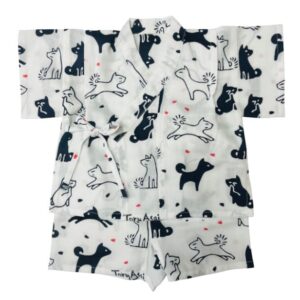
手ぬぐい赤ちゃん甚平「桜と犬(紺)」
」-300x300.jpg)
手ぬぐい「唐草(グレー)」
」3-300x300.jpg)
手ぬぐい「疋田(山吹・支子)」
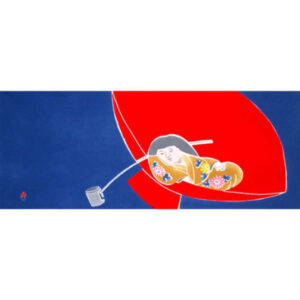
手ぬぐい「猩々」
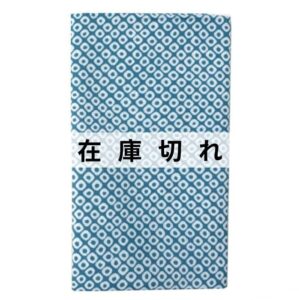
手ぬぐい「疋田(水色・錆浅葱)」
」-300x300.jpg)
手ぬぐい「桜(ピンク)」
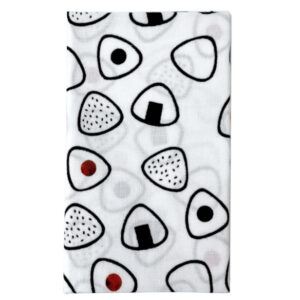
手ぬぐい「おむすび」
」-300x300.jpg)
手ぬぐい「唐草(グリーン)」
手ぬぐい「隈取市松(柿色)」
手ぬぐい「毛抜」
手ぬぐい「大津絵 鬼の念仏(茶)」
在庫切れ-300x300.jpg)
手ぬぐいトートバッグ「ネコと足あと」
手ぬぐい「トンボ(青)」
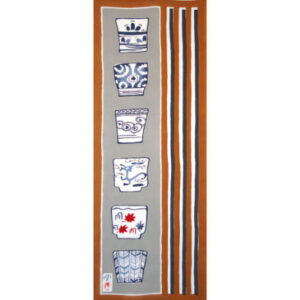
手ぬぐい「そば猪口 (紅葉)」
手ぬぐい「長春・葡萄鉢」
手ぬぐい「花びら蝶(黄土)」
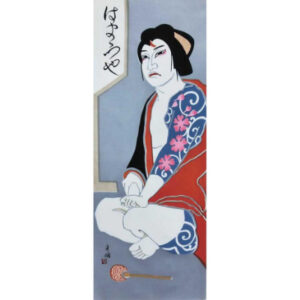
手ぬぐい「弁天小僧菊之助」
手ぬぐい「あやめ」
手ぬぐい「とんぼ」
」-300x300.jpg)
手ぬぐい「纏(青)」
手ぬぐい「折鶴(赤)」
手ぬぐい「クッキー」
手ぬぐい「麻の葉(灰青)」

手ぬぐい扇子「猫の風神雷神(風神)」
手ぬぐい「桜と犬(紺)」
手ぬぐい「ネコたちの春」
手ぬぐい「ネコたちの夏」
」-300x300.jpg)
手ぬぐい「纏(紺)」
手ぬぐい「不動明王」
手ぬぐい「花四天」
手ぬぐい「うわなり」
手ぬぐい「狂言衣裳・松喰鳥」
手ぬぐい「雪と兎」
」-300x300.jpg)
手ぬぐい「連獅子」
手ぬぐい「狂言衣裳・鬼瓦」
手ぬぐい「夢のふくろう(黄色)」
手ぬぐい「招き猫とお福さん」
手ぬぐい「俊寛」
手ぬぐい「そば猪口 (蝶)」
手ぬぐい「福・椿鉢」
手ぬぐい「青海波」
手ぬぐい「良き事聞く」
手ぬぐい「さかな」
手ぬぐい「源氏物語」
手ぬぐい「縁起・吊り飾り」
手ぬぐい「式三番叟」
手ぬぐい「揚巻」
手ぬぐい「雪の結晶(赤)」
手ぬぐい「巳と梅紋」
手ぬぐい「キセル」
手ぬぐい「銀河鉄道」
-300x300.jpg)
手ぬぐい「桜と犬(茶)」
」-300x300.jpg)
手ぬぐい「トンボ(紺)」
手ぬぐい「歌舞伎舞台・藤娘」
手ぬぐい「碇・知盛」
手ぬぐい「鳴神」
手ぬぐい「かまわぬ」
手ぬぐい「寿」
手ぬぐい「ネコ市松(青)」
手ぬぐい「源氏香」
手ぬぐい「菊五郎格子」
手ぬぐい「隈取・暫」
手ぬぐい「隈取市松(グレー)」
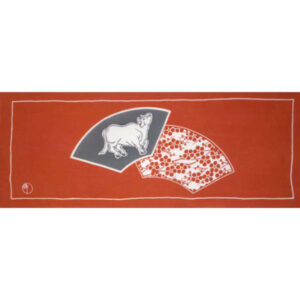
手ぬぐい「牛天神」
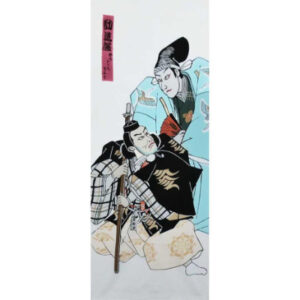
手ぬぐい「勧進帳」
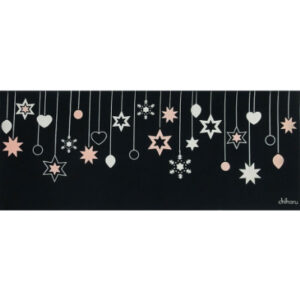
手ぬぐい「煌めき」
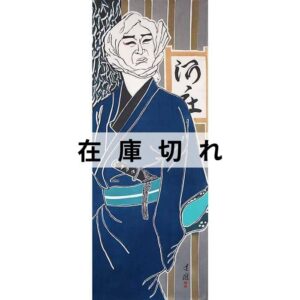
手ぬぐい「河庄」
手ぬぐい「ネコ紅葉」
手ぬぐい「さや型」
手ぬぐい赤ちゃん甚平「ネコと足あと」
手ぬぐい「大津絵・釣鐘提灯」
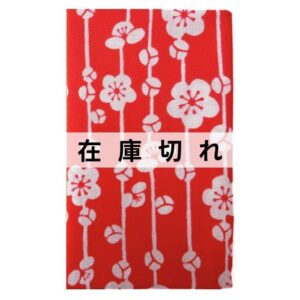
手ぬぐい「歌舞伎衣裳・三千歳(梅)」
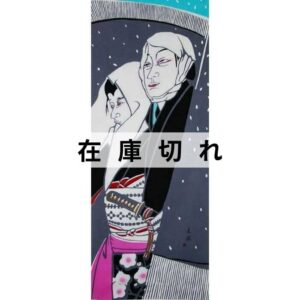
手ぬぐい「新口村」
」-300x300.jpg)
手ぬぐい「麻の葉(赤)」

手ぬぐい「板締め豆絞り」
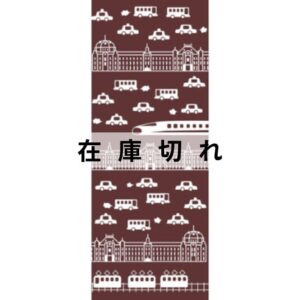
手ぬぐい「乗り物GO!GO!」
」-300x300.jpg)
手ぬぐい「暫」
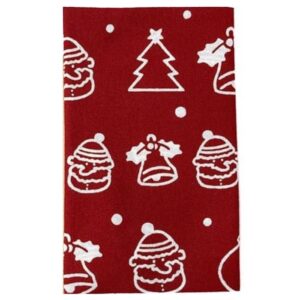
手ぬぐい「クリスマス」
手ぬぐい「大津絵 藤娘」
手ぬぐい「狂言衣裳・ふくら雀」
手ぬぐい「お嬢吉三」
手ぬぐい「歌舞伎衣裳・お坊吉三」
手ぬぐい「矢の根」
手ぬぐい「夢のふくろう(緑)」
手ぬぐい「元禄美人図」
手ぬぐい「ミュージック」
手ぬぐい「鳴神」
手ぬぐい「助六」
手ぬぐい「花火」
手ぬぐい「白梅図」
手ぬぐい「桜・道成寺」
手ぬぐい「大津絵 鬼の念仏(ベージュ)」
手ぬぐい「鏡獅子」
手ぬぐい「勧進帳」