
The release of the film Kokuhō has once again drawn public attention to Kabuki as a form of theatrical art.
Beyond its dramatic performances, Kabuki embodies a refined sense of beauty—one shaped by history, discipline, and an enduring aesthetic tradition.
In the original novel Kokuhō, the lives of actors unfold alongside vivid depictions of Kabuki plays and stage scenes.
Through these portrayals, many readers have rediscovered the depth of Kabuki: not only as performance, but as a cultural world rich with symbolism, emotion, and visual language.

Bringing the Stage into Daily Life
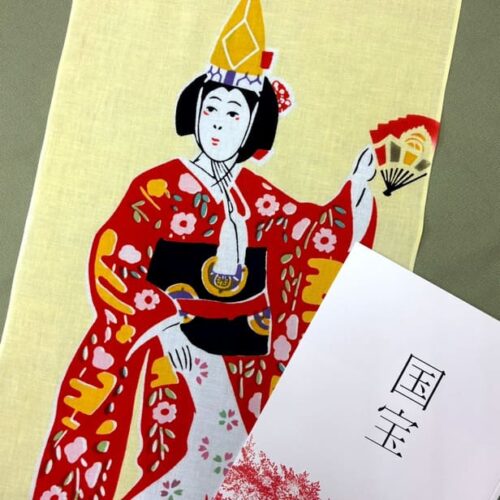
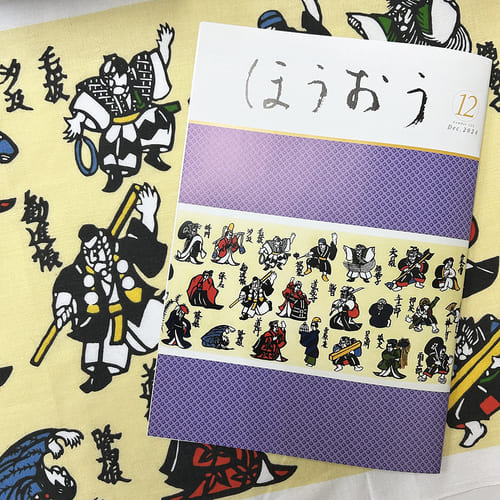
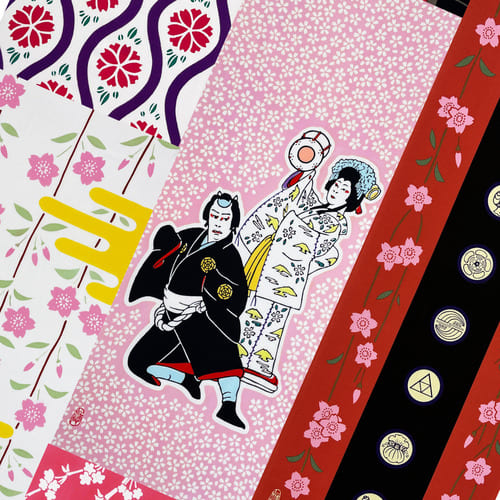
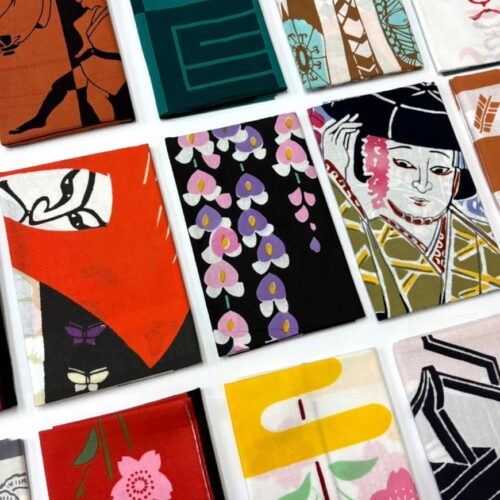
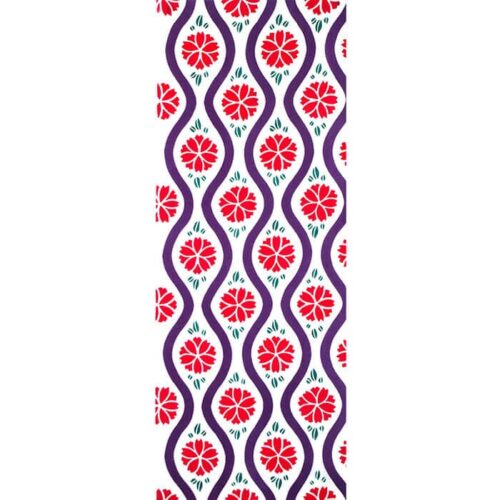
Since our founding in 1985, we have continuously created tenugui inspired by Kabuki plays, stage scenes, and costumes.
From the era of the Fourth Kabuki-za to the present day, our tenugui have accompanied audiences beyond the theatre, allowing the afterimage of the stage to quietly settle into daily life.
They are conceived not merely as souvenirs, but as objects that carry the memory and atmosphere of performance into the home.
This long-standing commitment reflects our belief that traditional performing arts gain new life when they are thoughtfully translated into forms that can be lived with, used, and appreciated over time.

Created by Artists Who Know Kabuki
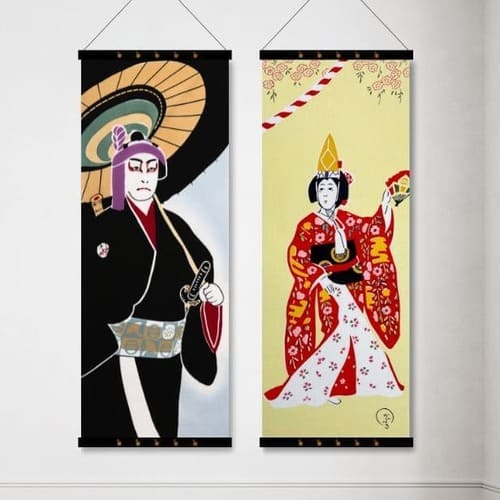
The original artworks for our Kabuki tenugui are created by artists and painters who are deeply versed in Kabuki and intimately familiar with its stage language.
Their work is grounded in a profound understanding of performance, gesture, costume, and dramatic tension.
Rather than approaching Kabuki as a decorative motif, these artists seek to capture the essence of each play—its emotional core and visual rhythm—within a single composition.
Through this approach, the tenugui transcend their functional origins.
They become pieces that can be appreciated not only for their craftsmanship, but also for their artistic presence—whether displayed, worn, or quietly kept as part of everyday life.
Kabuki Plays Featured in the Original Novel Kokuhō
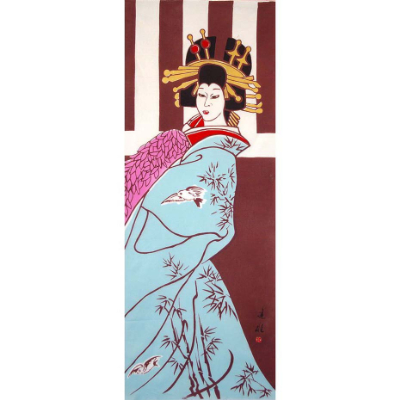
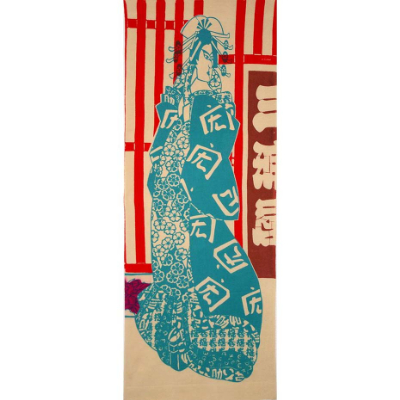
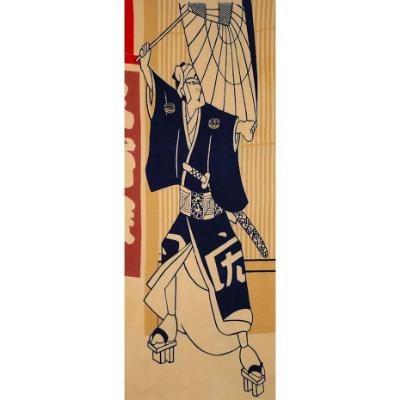
Below are selected Kabuki plays that have inspired our tenugui designs. Each summary offers a brief glimpse into the story and cultural significance of the play.
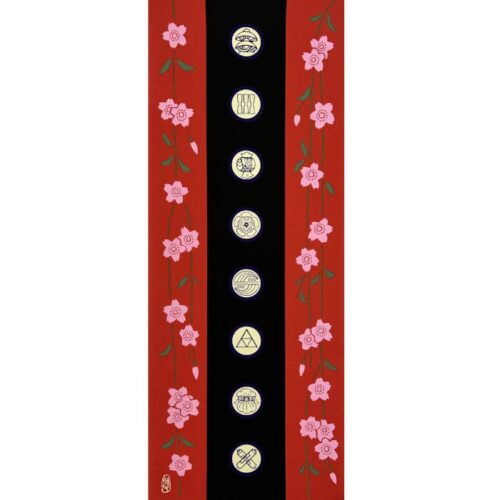
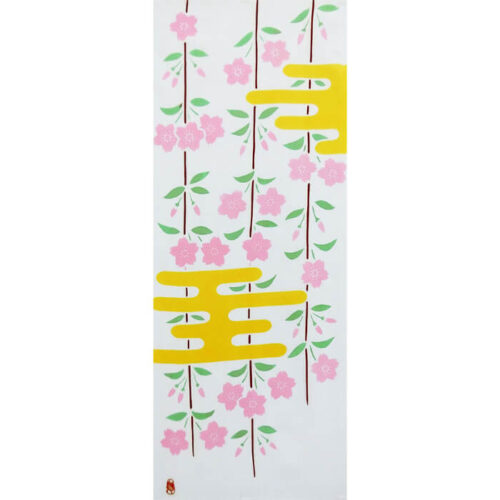
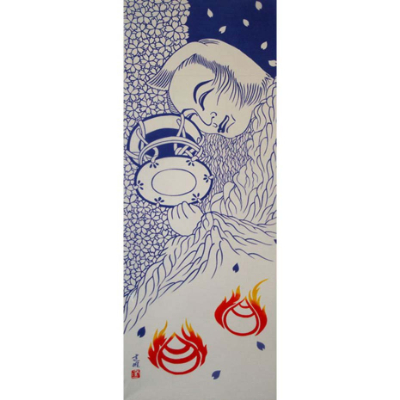
Dōjōji
A celebrated dance drama known for its dramatic costume changes and emotional transformation.
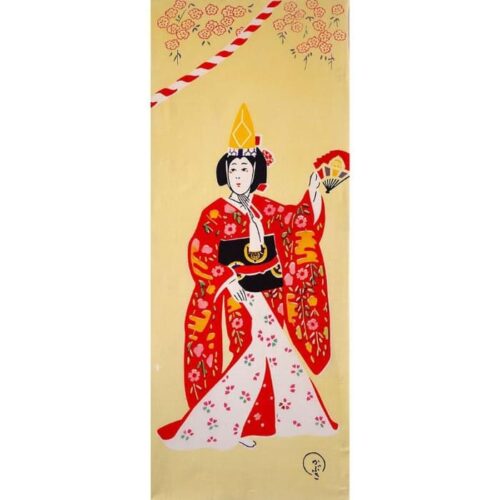
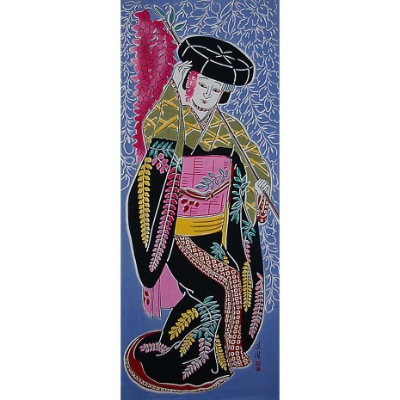
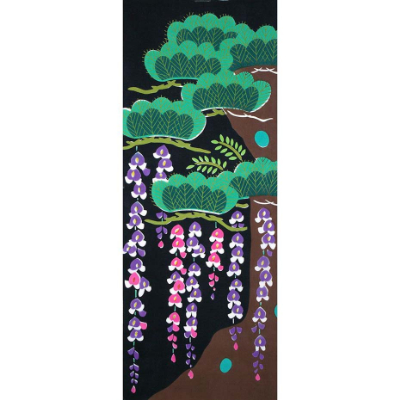
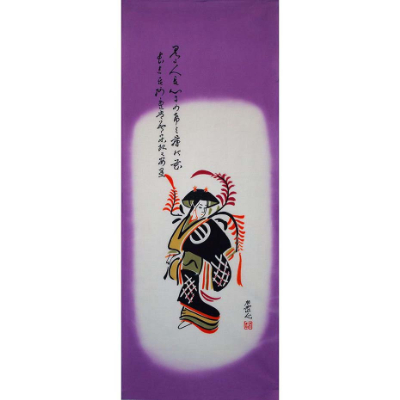
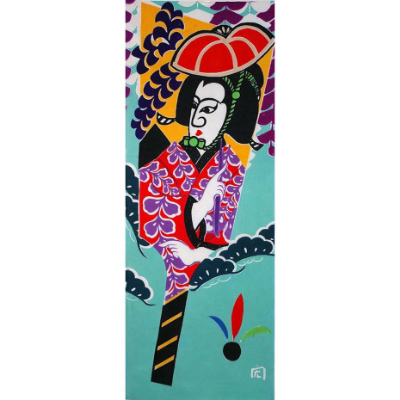
Fujimusume
A poetic dance portraying youthful love and longing, admired for its elegance and lyrical beauty.
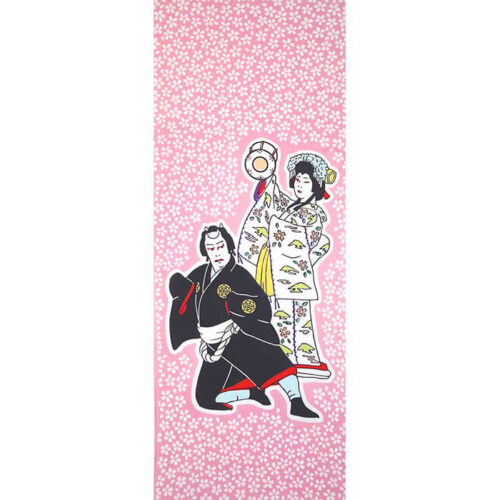
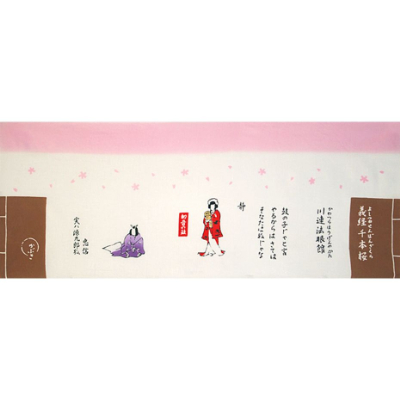
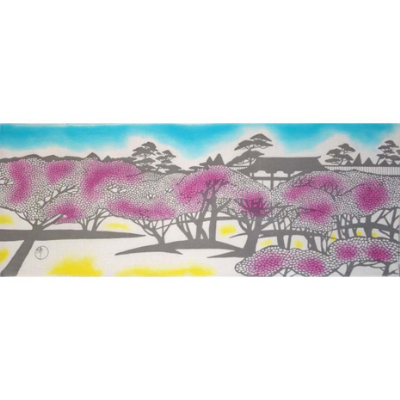
Yoshitsune Senbon Zakura
An epic tale of loyalty and fate, weaving history with legend.
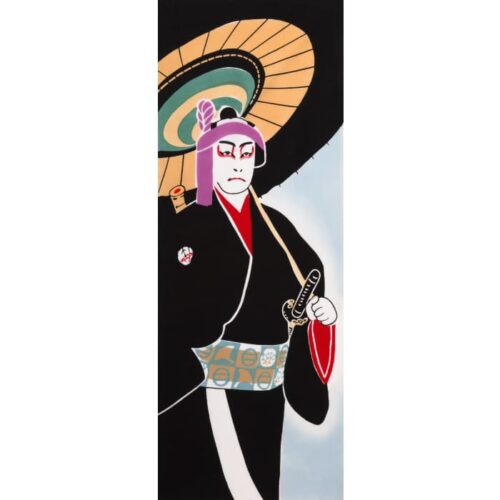
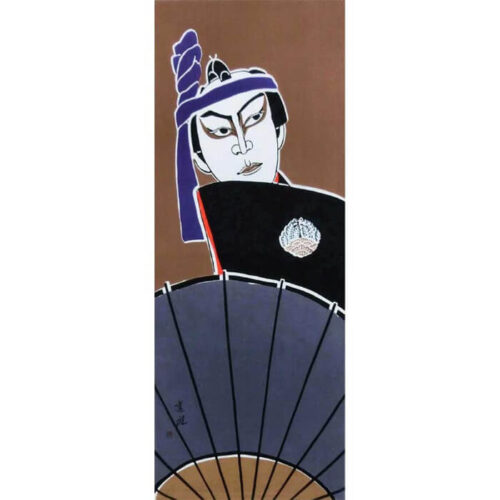
Sukeroku
A flamboyant Edo-period hero embodying style, wit, and urban bravado.
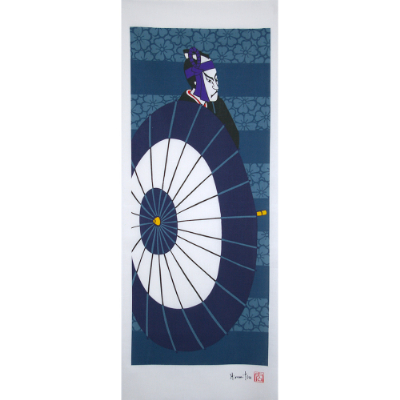
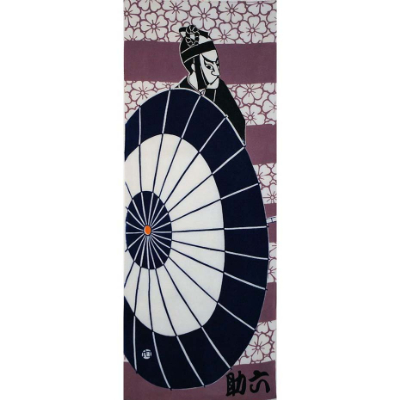
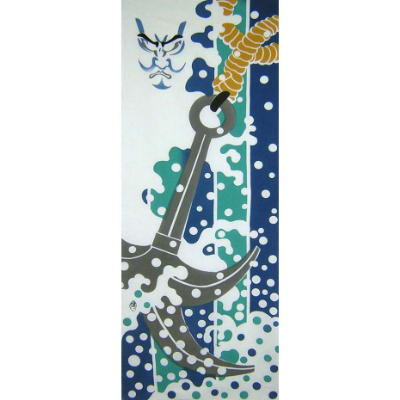
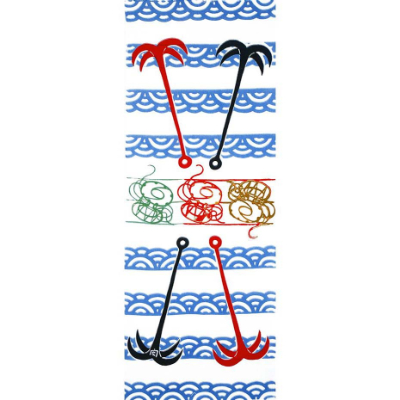
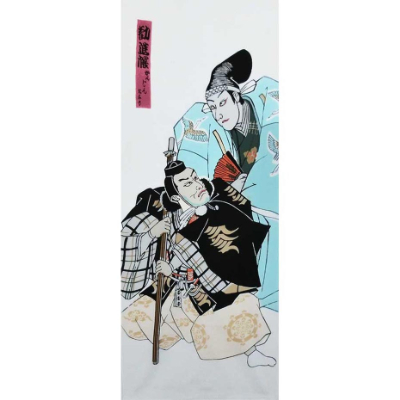
Kanjinchō
A tense historical drama centered on loyalty, deception, and moral courage.
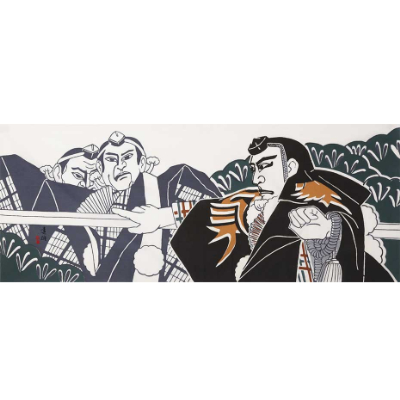
.jpg "勧進帳(高橋)")
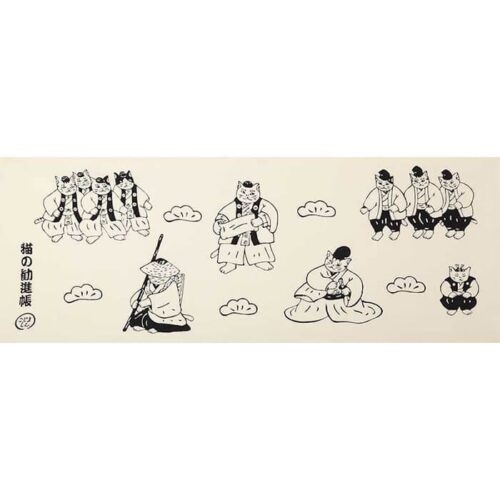
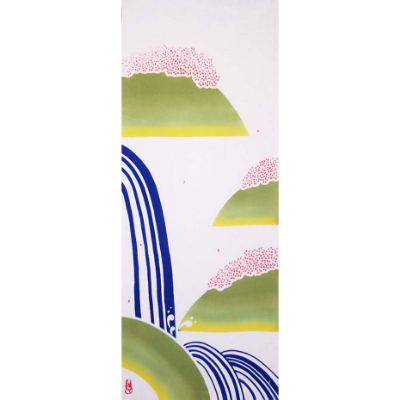
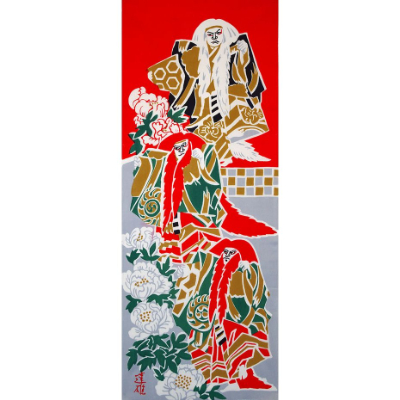
Renjishi & Kagamijishi
Renjishi is a powerful dance symbolizing parenthood, training, and the transmission of tradition, in which a lion tests its cub by casting it into a ravine. Kagamijishi, while sharing the lion motif, places greater emphasis on elegance and transformation, depicting a court lady who reveals her true nature as a lion spirit.
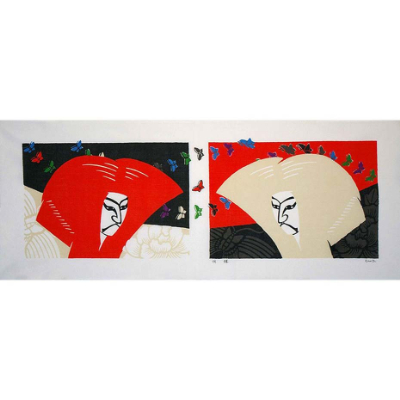
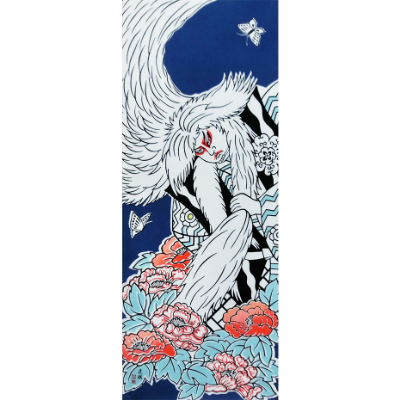
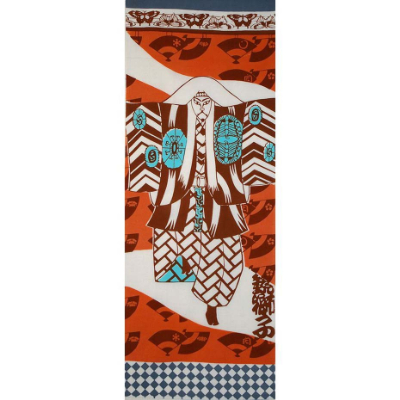
Shibaraku
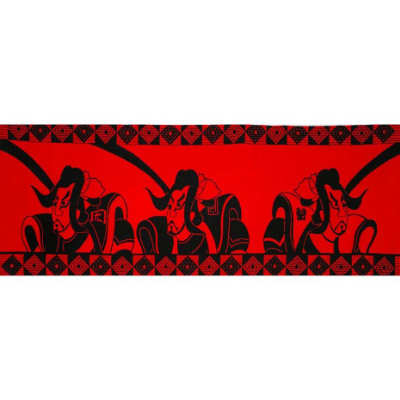
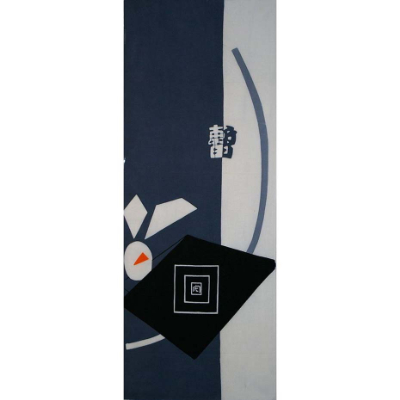
Shibaraku represents the height of aragoto style Kabuki, expressing strength, justice, and theatrical exaggeration through a single decisive moment.
」.jpg "手ぬぐい「暫(大城戸)」")
」.jpg "手ぬぐい「暫(歌舞伎十八番)」")
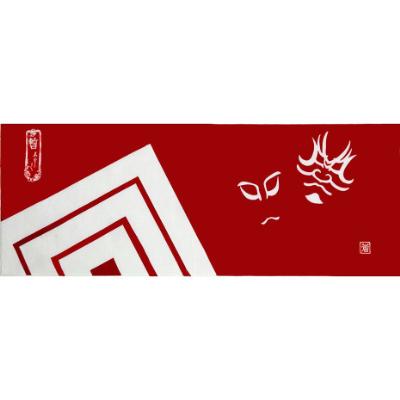
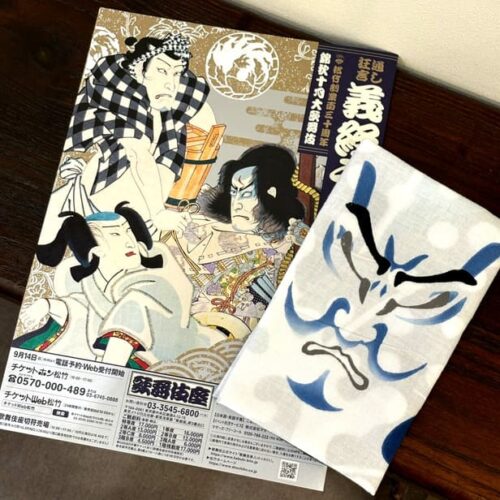
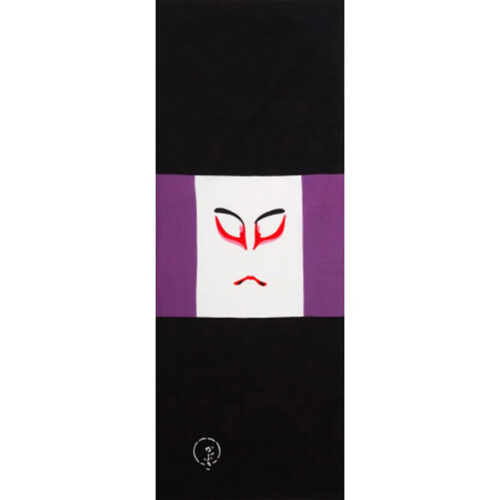
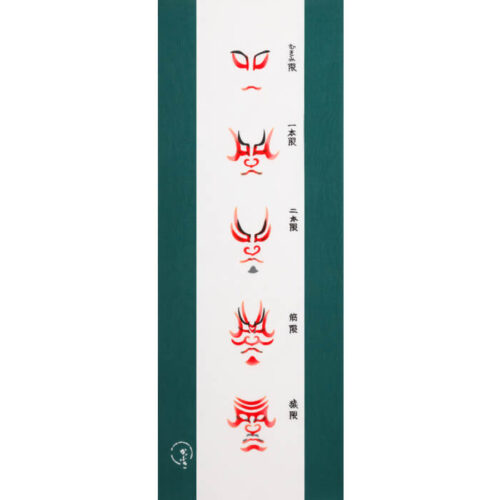
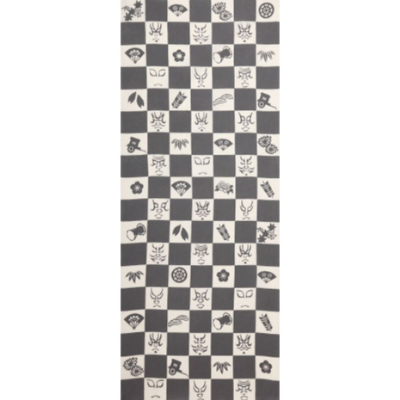
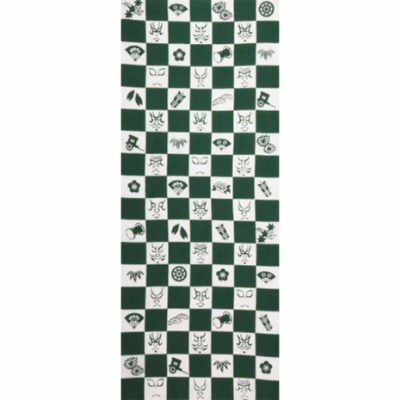
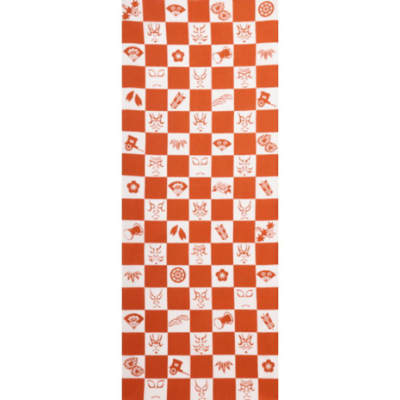
Kumadori — The Visual Language of Kabuki
Kumadori is a symbolic makeup style unique to Kabuki, defined by bold lines and colors. It visually expresses a character’s strength, emotion, and spirit at a glance.
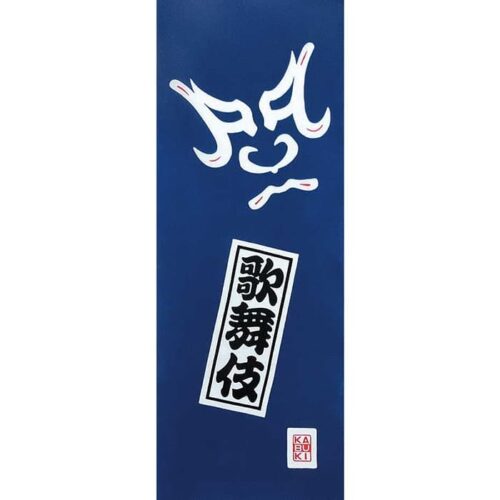
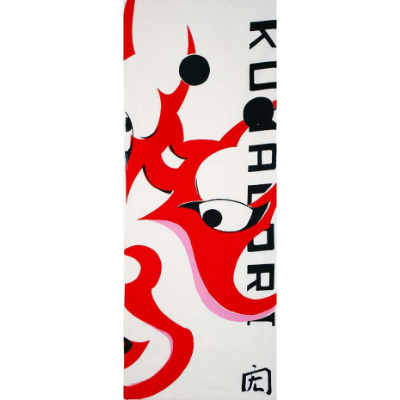
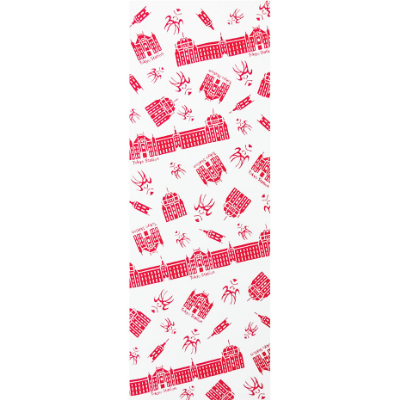
Kabuki is an art form shaped by centuries of performance, discipline, and beauty.
Through tenugui inspired by its plays, costumes, and visual language, we seek to preserve these moments of the stage in forms that can be lived with every day.
We hope this collection offers a quiet invitation to explore the depth of Kabuki beyond the theatre.
Sakurai Bldg.1F 1-5-24 Azabujuban, Minato-ku,Tokyo,106-0045 Japan
Tel: +81 3-3405-0161 Fax: +81 3-3405-7512
Email: info@asanoha.shop
Open 11:00-19:00 / Open throughout the year
From Azabujuban Station
Exit 7 Oedo Subway Line 5minutes walk
Exit 4 Namboku Subway Line 7minutes walk


