
Hare and Ke: Indigo Tenugui and Everyday Life
As the festive energy of the New Year fades, life begins to settle back into its familiar pace.
The decorations are put away, work resumes, and mornings return to their usual rhythm. It is a quiet season of reset—one where many of us pause and wonder what kind of year we hope to shape.
In Japan, this gentle return to routine is not seen as an abrupt end to celebration, but as part of a deeper rhythm woven into daily life. A way of thinking that has long helped people move gracefully between moments of ceremony and the ordinary flow of days.
This way of thinking is known as Hare and Ke.

Morning winter light marks the transition from special occasions back to everyday life.
When Life Pauses: The Meaning of Hare
Hare refers to moments that stand apart from the everyday—New Year’s celebrations, festivals, weddings, and other ceremonial occasions.
These are days when people dress with intention, prepare their surroundings, and consciously step into a different state of mind.
They often coincide with turning points in life, carrying both a sense of formality and a quiet excitement. Time feels slightly heightened, infused with meaning and anticipation.
The days surrounding the New Year are a perfect example of Hare: a brief pause in ordinary time, allowing reflection before life moves forward again.

A moment spent in a space apart from the everyday, quietly resetting the mind.
The Beauty of Continuity: Living in Ke
In contrast, Ke represents the ordinary days that quietly continue. The routines we repeat without much thought. The steady accumulation of mornings, workdays, meals, and rest.
Most of life is made up of Ke. It may not feel remarkable, but it is precisely this continuity that gives shape and substance to everyday living.

As special moments fade, life returns to its familiar everyday rhythm.
What is distinctive about Japanese culture is that Hare and Ke are not ranked above or below one another. Neither is superior. Life is understood as a gentle movement between the two—each giving meaning to the other. Special moments shine because of the everyday, and the everyday gains depth because moments of Hare exist.
Indigo: A Color Shaped by Everyday Life
When people hear “indigo dye,” they often imagine something rare or ceremonial. Yet historically in Japan, indigo was deeply rooted in daily life.
During the Edo period, indigo-dyed fabrics were widely used for clothing and household textiles worn by townspeople and farmers alike—including kimono and tenugui. Indigo was practical: stains were less noticeable, the fabric was durable, and with use, the color developed greater depth and character.
More than decoration, indigo was a color that lived alongside people—growing richer as it aged, shaped by time and touch.

Utagawa Hiroshige, One Hundred Famous Views of Edo: Kanda Konya-chō
From Daily Craft to the Highest Honor: Awa Indigo from Tokushima
Here, we would like to share a little about our Awa indigo-dyed tenugui.
Each piece begins in Tokushima, where indigo artisan Shiro Harada personally cultivates and prepares his indigo dye. The process demands patience and constant attention—monitoring fermentation, adjusting conditions daily, and responding to subtle changes in the dye.
Through this steady dedication, an indigo color with remarkable depth and clarity emerges.


In 2021, Harada’s work reached a rare honor: a piece dyed with his indigo was presented to His Majesty the Emperor of Japan. A moment that represents the very height of Hare.
Yet the story does not end there.
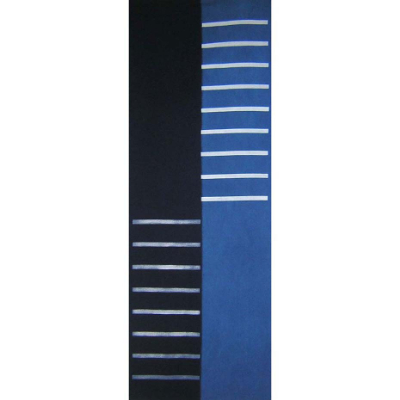
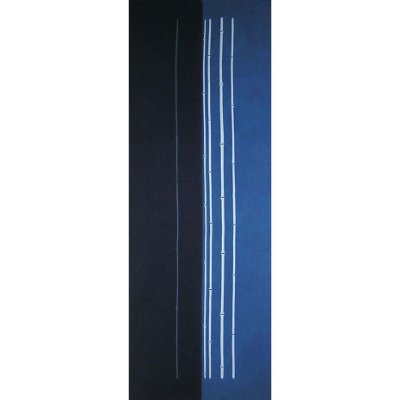
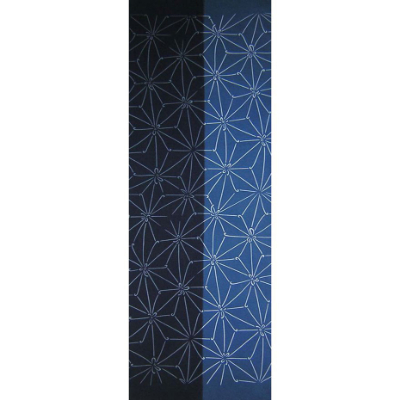
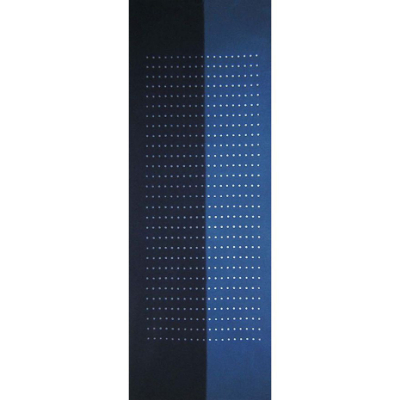
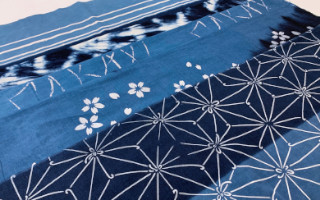
Rather than remaining distant and untouchable, the design of that ceremonial work was adapted into indigo-dyed tenugui intended for everyday use. Maintaining elegance and dignity, while returning the cloth to the rhythm of daily life.
Not keeping something special locked away—but allowing it to live, to be used, and to age alongside its owner. This, too, reflects the movement between Hare and Ke.

An Awa indigo–dyed tenugui inspired by a presentation piece.

Traditional Tokushima Awa Indigo Dyed Tenugui : Fountain
Beginning the Year, One Ordinary Day at a Time
As the season of Hare gently gives way to Ke, this is a time to ease back into routine. Not by striving too hard, but by quietly restoring balance.
Morning preparations. Moments between tasks. The simple repetition of days.
In these ordinary moments, an indigo-dyed tenugui can exist quietly in the background—absorbing water, catching light, growing softer with use.
Rooted in history and craftsmanship, yet made to be used.
A cloth that belongs not only to special occasions, but to everyday life.
As we move between Hare and Ke in the year ahead, may your ordinary days feel just a little more grounded, and quietly abundant.