

Plain Tenugui and the Japanese Aesthetic of Everyday Life
In Japan, plain-colored textiles are often chosen for daily use.They are selected not to attract attention, but to quietly support everyday routines.
A plain tenugui—thin cotton cloth made from sarashi cotton—fits naturally into kitchens, bathrooms, bags, and travel items. It blends into its surroundings and becomes part of the home, rather than a decoration within it.
This reflects a familiar idea in Japanese life: some tools are not meant to stand out, but to simply be there.
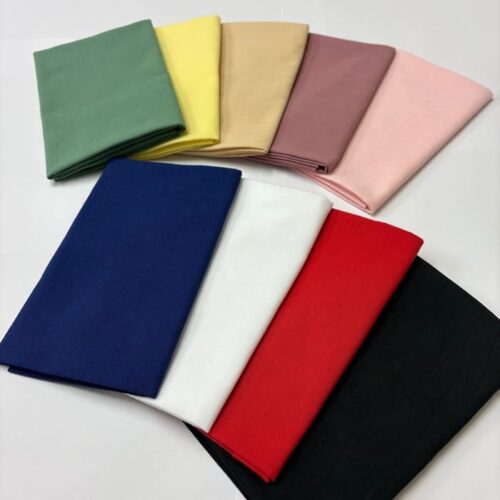
Nine plain-dyed colors to choose from — find the shade that speaks to you.
A Cloth That Blends Quietly into Daily Life
Plain tenugui are used much like dish towels, hand towels, scarves, or cloths for small tasks. They do not impose a theme on a room or dictate how they must be used. Instead, they adapt—absorbing the habits, routines, and spaces of the person who keeps them close.
Placed on a table, folded by a sink, carried for travel, or worn around the neck, a plain tenugui becomes part of the background, where life happens.
Sarashi Cotton: Texture, Softness, and the Passing of Time
Tenugui are traditionally made from sarashi, a form of cotton prepared to be light, absorbent, and gentle on the skin. Because there is no pattern, the weave, threads, and texture remain visible, and the cloth softens with repeated washing.
Rather than being complete when purchased, a tenugui becomes “finished” through use— a small example of how everyday objects in Japan grow with the person who uses them.
This makes them suitable for a wide range of people, including those with sensitive skin or children, and gives the fabric a sense of familiarity that develops over time.
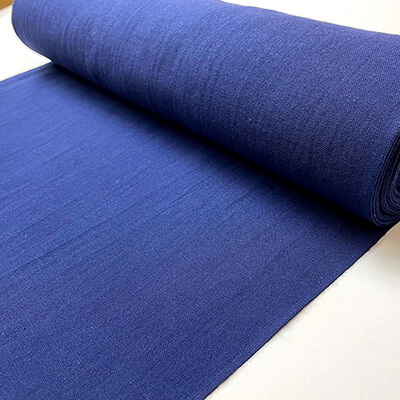
Fine sarashi cotton—quiet, reliable, and made to be enjoyed.
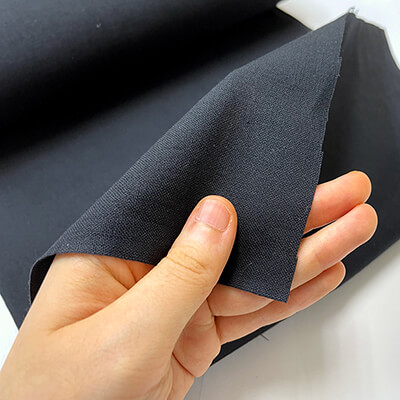
Softening over time, becoming your own cloth.
Practical, Adaptable, and Unobtrusive
Plain tenugui can serve many roles:
- a kitchen cloth or table mat
- a face towel for bathing
- a simple scarf or hair wrap
- material for sewing or mending
- a protective layer when wrapping items
Its usefulness comes from neutrality.Color does not decide its purpose; the user does.
Over months and years, the fabric softens, fades slightly, and finds its place — eventually becoming “one’s own cloth” in a quiet and personal way.
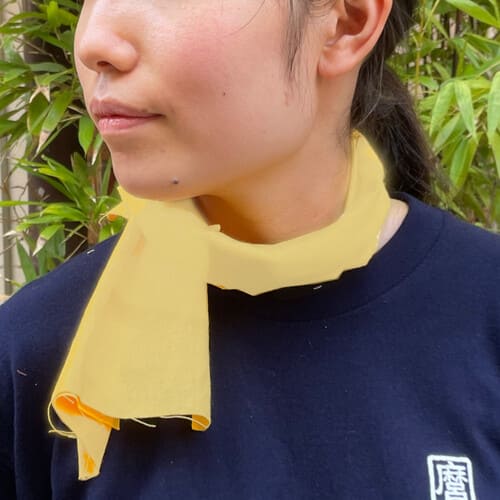
Highly absorbent and quick-drying, tenugui also make excellent scarves.
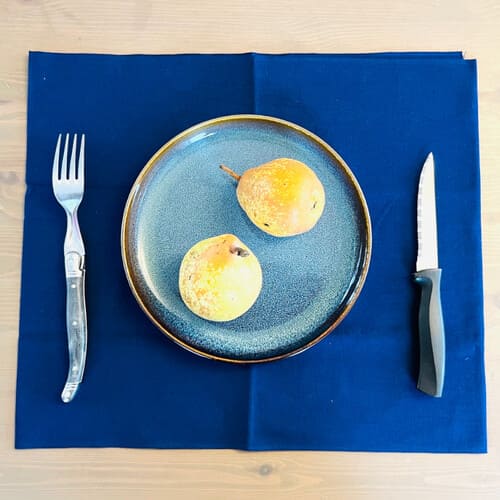
A tenugui as a table mat—plain colors pair well with any dish or tableware.
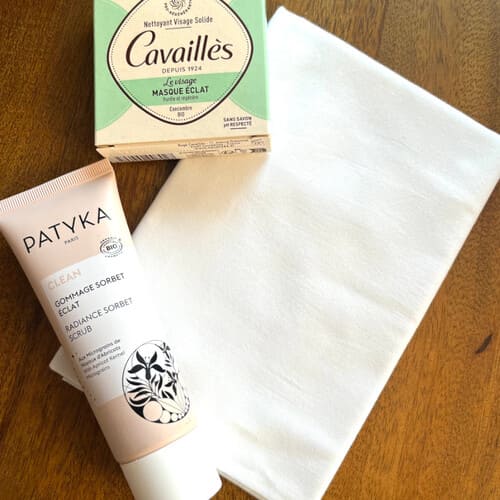
Soft against the skin, tenugui are ideal for bathing and face washing.
Choosing Colors for Atmosphere and Personal Meaning
In Japan, colors may be selected not only for appearance, but for the atmosphere they create. Some associations come from traditional color culture; others from modern interpretations, including gentle “feng shui”-like impressions. These are not rules—just quiet impressions that accompany each shade.
Below are nine colors often found in plain-dyed tenugui, each carrying a tone, a mood, or a sense of familiarity:
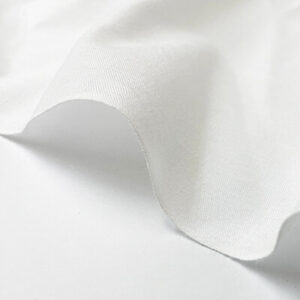
White ¥550 (including tax)
Clarity, Renewal, and a Sense of Beginning
Often associated with purification and a fresh start. In modern feng-shui-like interpretations, white may be used to “reset” an atmosphere, bringing light and mental clarity to a room or routine.
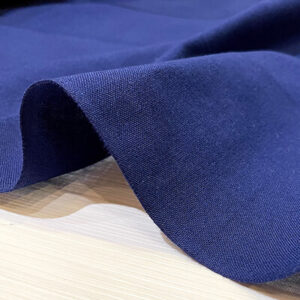
Navy ¥770 (including tax)
Focus, Direction, and Steadiness
Once recognized as kachi-iro (a “victory” shade) in samurai culture. In contemporary color practice, navy is sometimes chosen for concentration, study, or workspaces, as a color that gathers one’s attention and supports long-term goals.
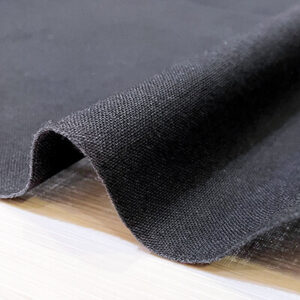
Black ¥770 (including tax)
Protection, Boundaries, and Quiet Strength
Black can frame a space, offering a sense of composure and emotional grounding. It is occasionally used to define boundaries—physical or personal—while keeping a dignified calm.
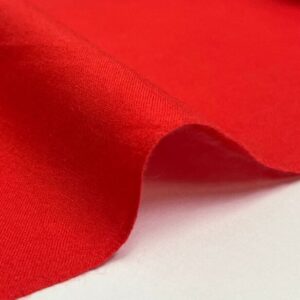
Red ¥770 (including tax)
Vitality, Momentum, and Celebration
Red traditionally carries associations with life-force and auspicious occasions. It may be chosen when seeking forward movement, renewed confidence, or a sense of emotional warmth.
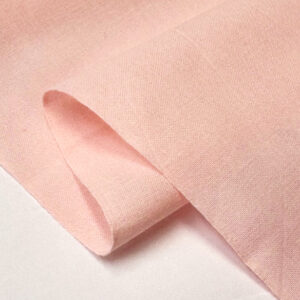
Pink ¥770 (including tax)
Softness, Harmony, and Gentle Connection
Pink is often linked with kindness and approachability. In interpersonal spaces, it can soften communication and create an environment where dialogue feels safer and more open.
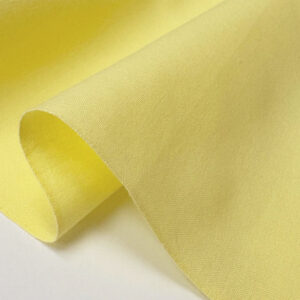
Yellow ¥770 (including tax)
Communication, Curiosity, and Shared Space
Yellow brings brightness and a sense of openness. It is sometimes placed in areas related to conversation, creative thinking, or exchange, to encourage mental lightness and new ideas.
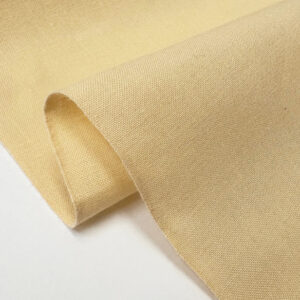
Beige ¥770 (including tax)
Stability, Neutrality, and Everyday Balance
A grounding presence that supports other elements in a room. Beige neither advances nor retreats; it holds space, making it useful where calm and continuity are desired.
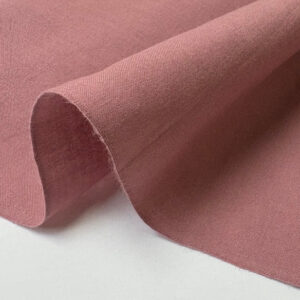
Azuki Red ¥770 (including tax)
Warmth, Sincerity, and Cultural Memory
Rooted in plant-dye traditions, azuki suggests modesty and warmth. It can lend emotional steadiness to a setting, creating a quiet place for focus or reflection.
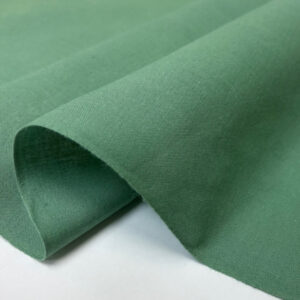
Green ¥770 (including tax)
Breath, Rhythm, and Everyday Peace
Green carries associations with rest and renewal. It gently supports routines that require calm—work, study, or simply pausing—much like stepping briefly into nature.
After the Colors: Choosing One’s Cloth
When choosing a plain tenugui, there is no correct answer. Some select based on mood; others on habit, season, or a single moment of intuition. A tenugui does not demand commitment—it simply waits to be picked up, used, washed, and put back again.
It becomes part of the day, as naturally as water or light.